


Mind, body and spirit
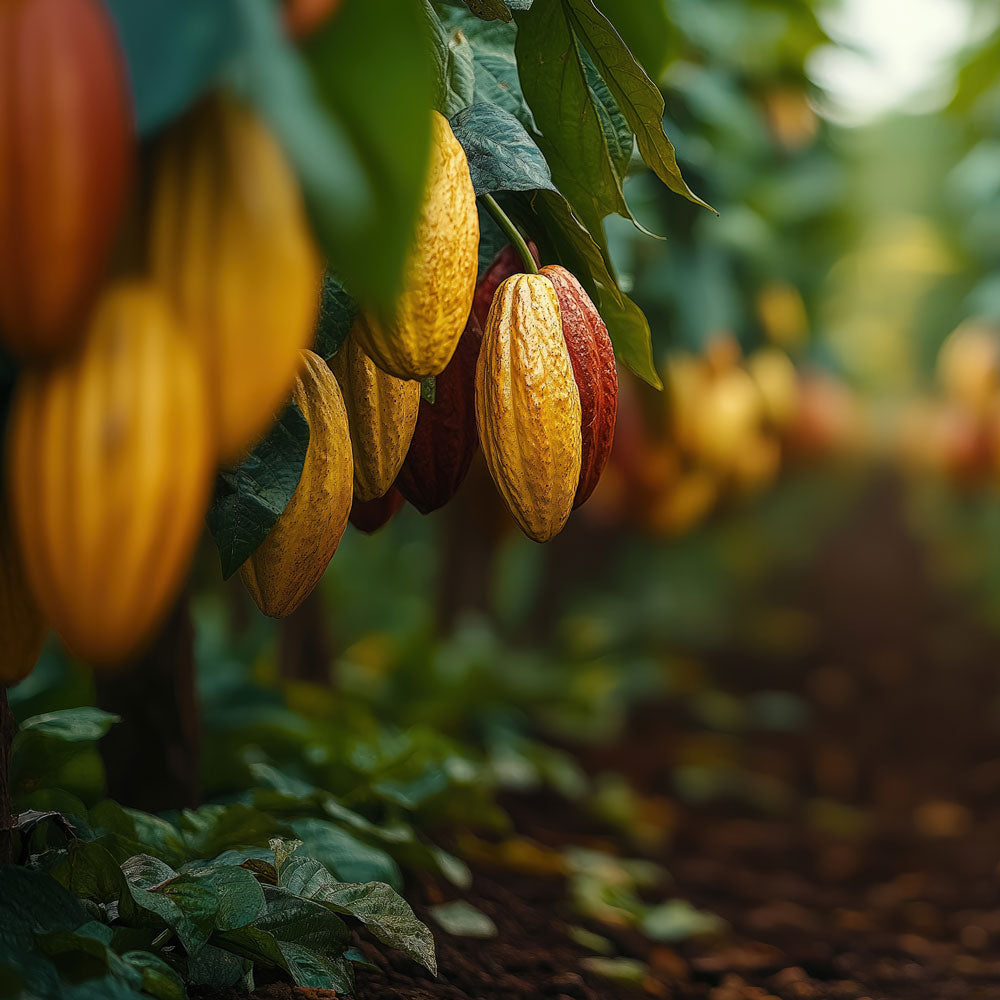
This is not just a cup of chocolate. Cacao has been used in ceremony and daily life for thousands of years, and everyone experiences it a little differently. As your relationship with it deepens, you’ll learn to notice its subtleties.
Ceremonial grade cacao is 100% pure cacao, raw and unroasted. It’s a naturally complex food, and here’s a look at what it contains.
The Science behind Ceremonial Grade Cacao

How it feels
Many people describe a warm, uplifted, grounded feeling when they drink ceremonial cacao, especially in ceremony. Experiences vary from person to person and day to day, so start gently and notice how it feels for you.
Anandamide
Cacao naturally contains small amounts of anandamide, a compound the human body also produces. Its name comes from the Sanskrit word “ananda”, meaning bliss. Researchers are still exploring the role it plays.
Magnesium
Cacao is naturally rich in magnesium. Magnesium contributes to the reduction of tiredness and fatigue, normal muscle function and normal functioning of the nervous system.
Tryptophan
Cacao contains tryptophan, an amino acid the body uses to make serotonin. Many people find a cup of cacao becomes a calming, reflective part of their day.
Phenylethylamine (PEA)
Cacao contains small amounts of phenylethylamine, sometimes nicknamed “the love chemical”. It’s one of the many naturally occurring compounds that give cacao its complex character.
Arginine
Cacao contains arginine, an amino acid found in many protein-rich foods, including nuts and seeds.
Vitamins & Minerals
Cacao naturally contains minerals including iron, zinc, copper, manganese and potassium, alongside magnesium.
Focus without the rush
Many people choose cacao as a morning ritual instead of coffee. They describe a steadier, more focused kind of energy without the spike and crash.
Theobromine (relative of caffeine)
Theobromine is a naturally occurring compound in cacao and a gentle relative of caffeine. Cacao contains far more theobromine than caffeine. Many people find its effect milder and longer-lasting than coffee.
Flavanols
Cacao is naturally rich in flavanols, a group of plant compounds also found in tea, apples and berries. Because ours is raw and unroasted, it hasn’t been through the high-heat roasting most cocoa undergoes.
Cacao butter
About half of cacao’s weight is cacao butter, the natural fat that gives it a rich, creamy texture. It’s made up mainly of oleic, stearic and palmitic acids.
Heart & Harmony
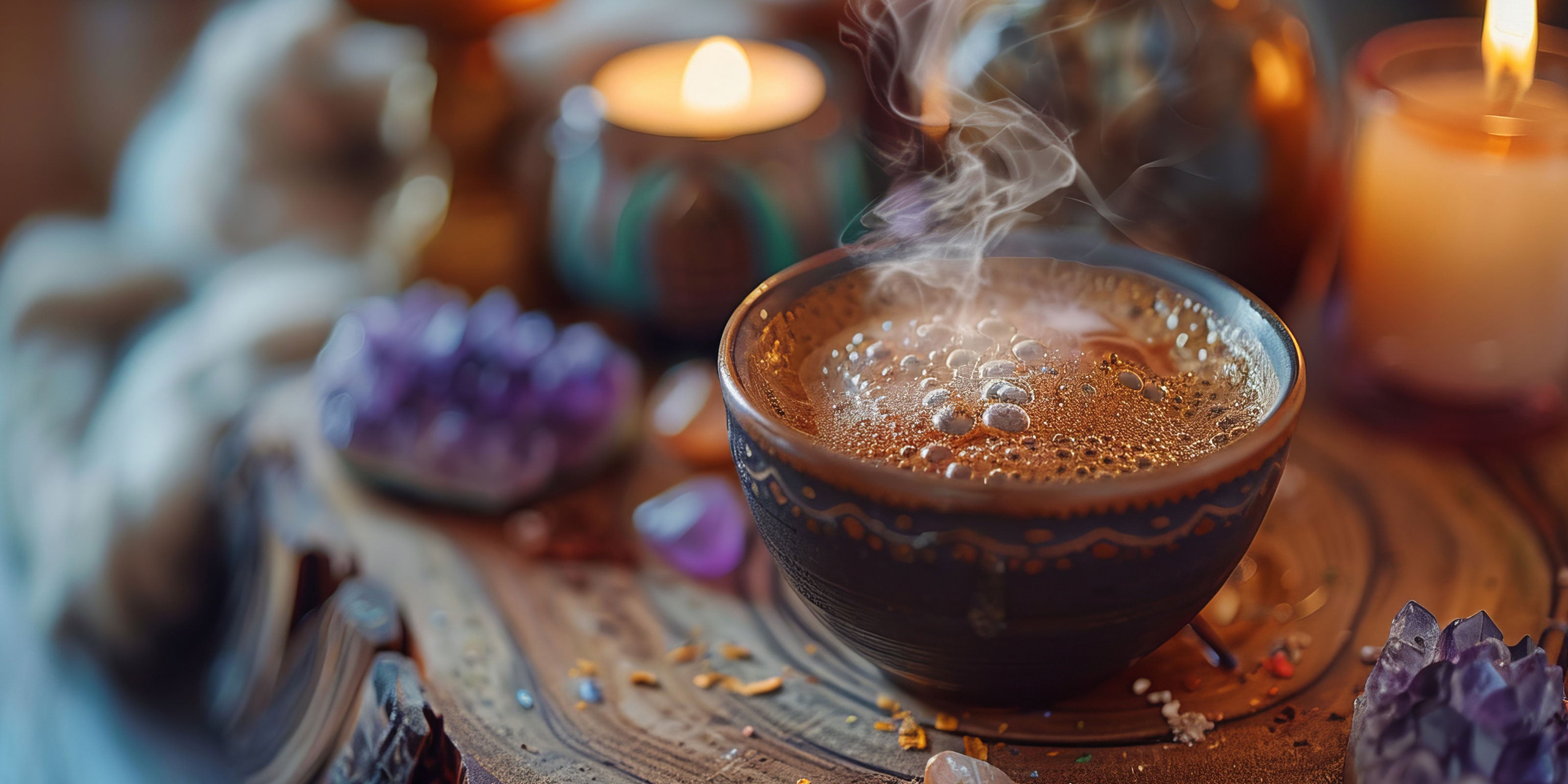
Benefits of Ceremonial Cacao: Ancient Mayan Rituals for Modern Wellbeing
Introduction Ceremonial cacao is more than a beverage; it’s a gateway to wellbeing. Rooted in ancient Mayan rituals, cacao has been used for centuries as a tool for spiritual connection and healing...
Read more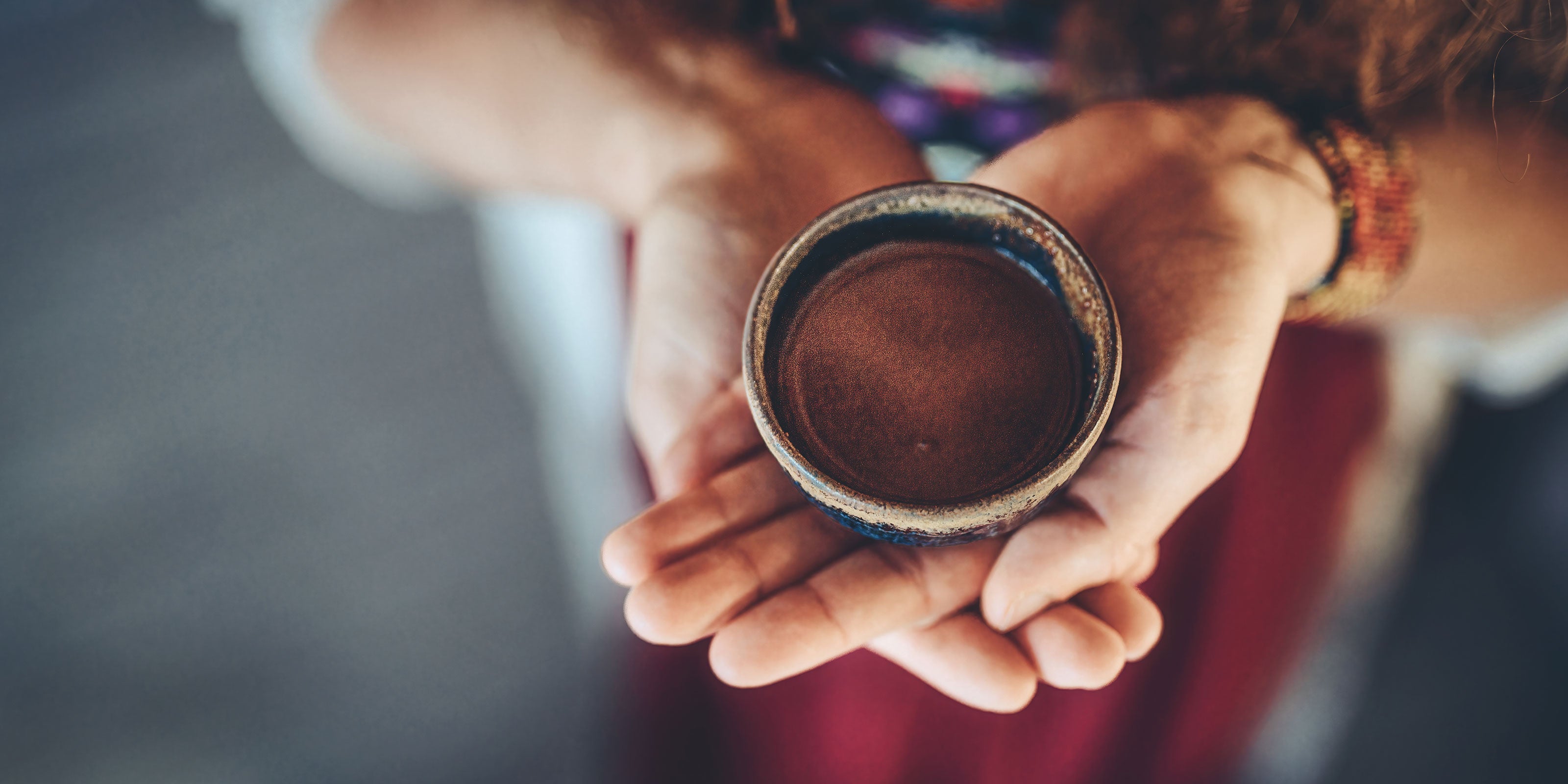
Ceremonial Cacao vs Hot Chocolate: Your Complete Guide to Sacred Drinking Chocolate
Ceremonial cacao and hot chocolate may look similar, but they couldn't be more different. If you're curious about the differences of ceremonial grade cacao and drinking chocolate, you're in the rig...
Read more
Why Heart Healer® Ceremonial Grade Cacao is Essential for Your Wellness Routine
I’m Helen Millar, and I’ve been working with ceremonial cacao since 2016, in ceremonies across the UK and Europe and in my own kitchen most mornings. People often ask me why cacao has frequently re...
Read more